
Nora Bell explores the current market trends affecting the valuation of silver fifty cent pieces as of Wednesday, January 21, 2026 at 10:06 PM.
The worth of a silver fifty cent piece can vary significantly based on several factors, including its mint year, rarity, condition, and the current market demand for silver coins. Generally, these coins are comprised of 90% silver and were minted in the United States between 1964 and earlier years, primarily from the Walking Liberty and Franklin series. Their intrinsic silver content grants them a baseline value, but collectible demand can greatly influence their market price.
The most common silver fifty cent pieces are the Kennedy half dollars minted from 1964 through 1970, which contain 0.36169 ounces of silver. As of October 2023, silver prices hover around $24 per ounce, which would give these coins a base value of approximately $8.70 based solely on their silver content. However, the actual market price can fluctuate based on collector interest and the exact conditions of the coin.
For more rare coins, such as the 1900-O and 1914-D Barber half dollars, values can escalate significantly, sometimes reaching hundreds or even thousands of dollars. A complete evaluation of each coin should also consider factors like mint mark availability and historical context, which can contribute to values. The current market trends affecting the valuation
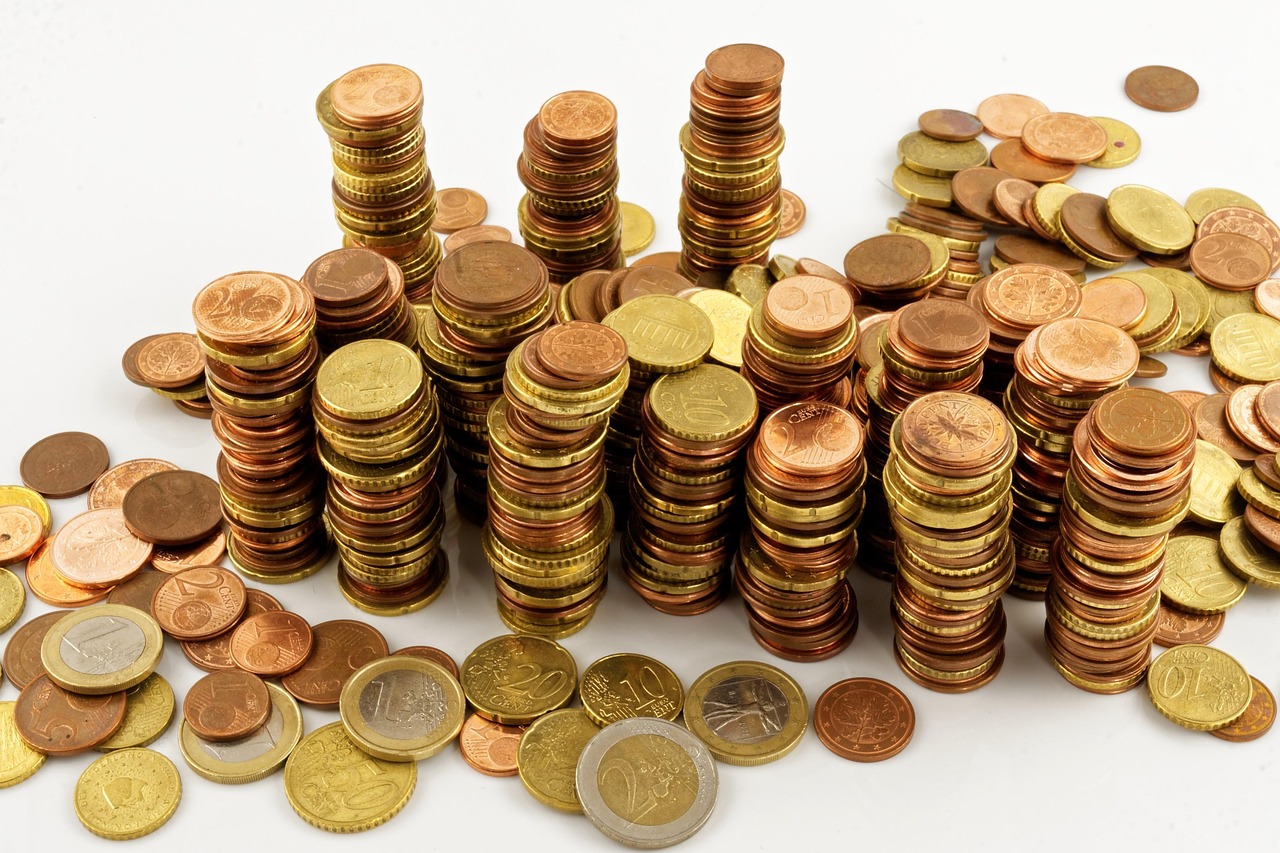
This image illustrates silver fifty cent pieces from various years, showcasing their unique designs and mint markings.
In determining the worth of a silver fifty cent piece, assessments are often categorized into two major components: the numismatic value and the melt value. The melt value relates to the coin’s intrinsic silver content, while numismatic value reflects collector sentiments and rarity.
Factors Influencing Value
1. Condition and Grading: Coin condition is determined by grading standards ranging from Poor (P) to Uncirculated (MS-70). Higher-grade coins fetch significantly higher prices.
2. Scarcity and Demand: Limited mintage or unique historical significance can boost a coin’s numismatic value. Seasonal demand shifts in the collector market can also affect prices.
3. Market Trends: The fluctuations in silver prices, driven by global economic conditions, directly affect the melt value of silver coins. The most common silver fifty cent pieces

This graphic is a conceptual representation of market fluctuations and historical trends in silver prices.
Estimating the Value
To estimate the current worth of a silver fifty cent piece, the following steps can be taken:
1. Determine the Type: Identify whether the coin is a Kennedy, Franklin, or Barber half dollar.
2. Check the Year and Mint Mark: Assess the year of minting and whether it possesses a mint mark, which may indicate rarity.
3. Evaluate the Condition: Refer to grading guides to ascertain the condition of the coin.
4. Calculate Melt Value: Multiply the silver content (in ounces) by the current spot price of silver.
5. Research Collectible Demand: Analyze market resources or auction results to gauge collector interest in that specific coin.
6. Consult Professionals: Engage with a reputable coin dealer for an expert appraisal if necessary. The intrinsic silver content grants them a baseline value
| Coin Type | Average Melt Value | Estimated Collectible Value |
|——————|——————-|—————————–|
| Kennedy Half Dollar | $8.70 | $10 – $50 |
| Franklin Half Dollar| $9.20 | $15 – $100 |
| Barber Half Dollar | $9.50 | $20 – $1000+ |
The tradeoff of focusing solely on the value of a silver fifty cent piece lies in its limited utility for everyday transactions and the inherent risks in fluctuation. For instance, these coins should not be viewed as liquid assets for quick cash sales; the market can demand patience for a high value. Additionally, not all coins labeled as “silver fifty cent pieces” may possess significant numismatic value, especially in heavily mass-produced years. Alternatively, one should consider investing in a diversified mix of coins or bullion if immediate liquidity is a priority, rather than engaging solely with collectible coins.
Overall, identifying the worth of a silver fifty cent piece requires a blend of market savvy, grading knowledge, and historical context. Continuous tracking of silver market trends and collector interest will aid investors and enthusiasts in making informed decisions. Observing changes in global silver demand and potential shifts in numismatic markets will preserve both knowledge and investment value over time.
In said practice, relevancy in coin value can only be maintained through a detailed understanding and constant monitoring of both intrinsic and perceived values. This proactive approach helps ensure that collectors and investors can safeguard the worth of their silver fifty cent pieces in an ever-changing marketplace.
Key Takeaways
- The value of a silver fifty cent piece, commonly known as a half dollar, largely depends on its silver content, condition, and rarity.
- As of October 2023, coins minted before 1965 contain 90% silver, making their intrinsic value based on the current silver market price.
- Collector demand and specific coin grades can significantly increase the market value beyond the standard melt value of the silver content.
What defines the value of a silver fifty cent piece?
The value of a silver fifty cent piece primarily depends on its silver content, which is typically 90% for coins minted before 1965, alongside its condition and demand among collectors. The current market price of silver also plays a significant role, as it fluctuates. Therefore, collectors usually focus on both the intrinsic metal value and the historical significance of the coin.
How can someone use a silver fifty cent piece in transactions today?
While a silver fifty cent piece can still be used in transactions at its face value, many people prefer to keep these coins as collectibles or investments due to their intrinsic silver value. However, using them as currency may face limitations, as merchants may not recognize their collectible value or may not accept them based on their condition or rarity.
What risks are associated with purchasing a silver fifty cent piece?
One major risk involves the potential for counterfeit coins, especially when buying from unverified sources. Additionally, the value of silver can be volatile, which means that the coin’s worth may fluctuate significantly over time. Buyers should also be aware of the associated premiums over spot silver price when purchasing from dealers, which can impact overall investment value. However, this introduces tradeoffs that must be evaluated based on cost, complexity, or network conditions.