Reviewed by Nora Bell on January 21, 2026 at 10:48 AM. Recent evaluations have highlighted advancements in security features and user interfaces for various digital asset storage solutions.
Crypto wallet news refers to the latest developments, innovations, and trends in the cryptocurrency wallet sector. This includes updates on hardware and software wallets, security enhancements, emerging technologies, and shifts in user preferences. Staying informed in this rapidly evolving space is crucial for both individual investors and businesses seeking to adopt cryptocurrency solutions.
Understanding the latest in crypto wallet technologies is essential for enhancing security, improving user experience, and leveraging new features that can streamline digital asset management. As cryptocurrency adoption increases, so does the importance of choosing the right wallet that aligns with specific user needs, whether for personal use or institutional investment.
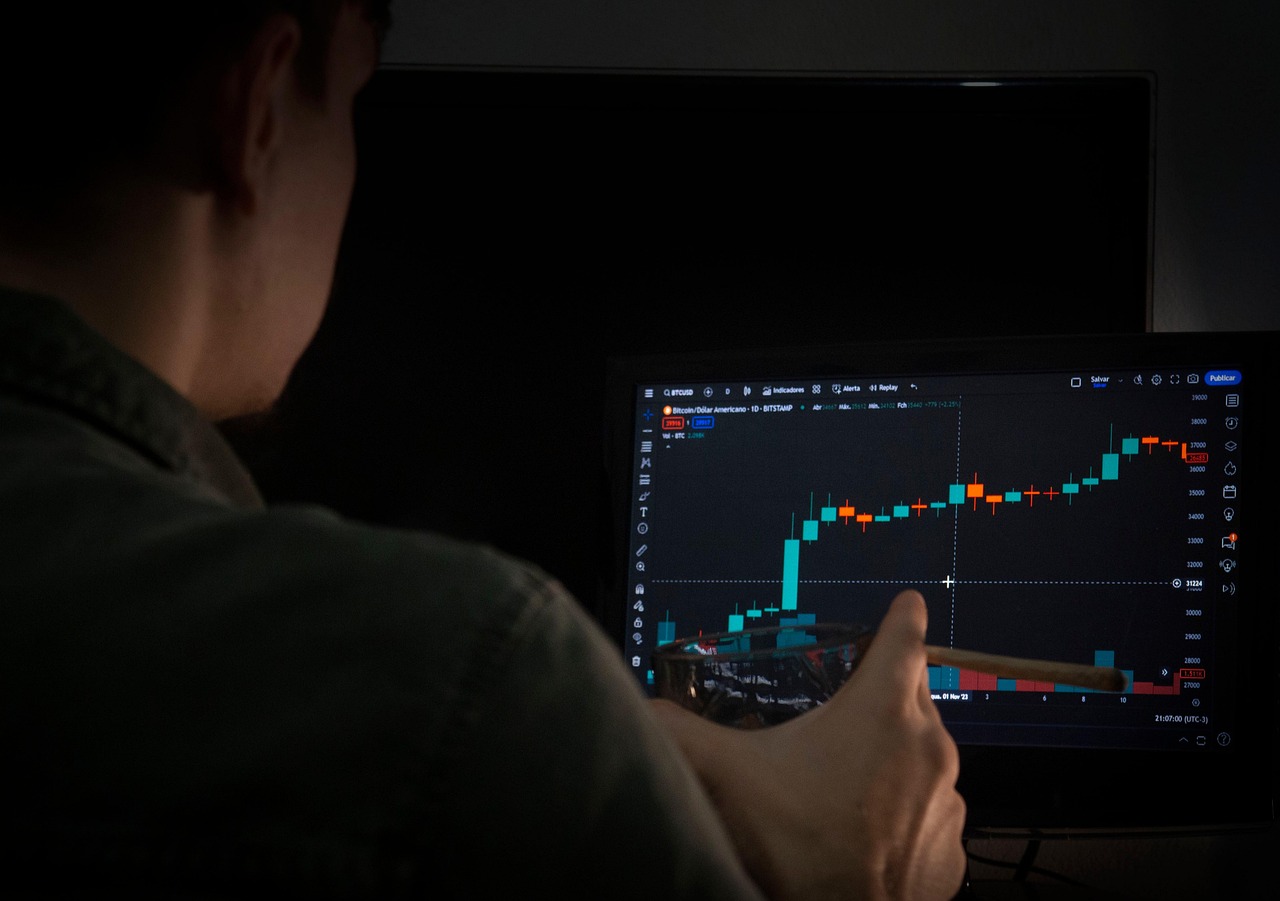
Images can depict trends in user preferences or security measures, illustrating how various wallets function in contemporary contexts.
Crypto wallets can be categorized primarily into two types: hot wallets and cold wallets. Hot wallets, which are connected to the internet, offer ease of access and usability for daily transactions. Cold wallets, such as hardware wallets and paper wallets, are offline and prioritize security, which makes them ideal for storing large amounts of cryptocurrencies for an extended period. latest developments in cryptocurrency wallet technology

As the market evolves, several key features are being integrated into crypto wallets. Multi-signature support enhances security by requiring multiple private keys to authorize a transaction. The rise of decentralized finance (DeFi) is also influencing wallet development, as users seek platforms that allow easy interaction with various DeFi protocols. Furthermore, user-friendly interfaces and mobile wallet applications are becoming standard, making wallets more accessible to everyday users.
It is important to note that crypto wallets are not a catch-all solution for every cryptocurrency-related need. Users seeking to implement complex trading strategies or utilize specific blockchain technologies may find that a wallet cannot always meet those operational requirements. Additionally, the security features inherent in certain wallets may not counteract vulnerabilities introduced through inadequate user practices, such as phishing.
1. Tradeoff Insights:
– Hardware wallets offer top-notch security but may lack integration with some third-party services, limiting flexibility.
– Software wallets provide greater convenience for trading and transactions but can be more susceptible to online threats and hacks.
– Users may experience compatibility issues with using certain wallets for specific tokens or blockchains, sometimes necessitating additional solutions.
Verification of wallet-related capabilities is critical. Users must understand the prerequisites for effective crypto wallet use, including technical familiarity with the underlying blockchain technology. Further, ensuring critical security preparations can minimize risk factors associated with common errors. advancements in user interface design for digital wallets

Process for Selecting a Crypto Wallet:
1. Define wallet purpose (trading, storing, etc.).
2. Assess required security features (multi-signature, 2FA).
3. Research compatibility with preferred cryptocurrencies.
4. Evaluate user interface and accessibility.
5. Read user reviews and feedback for real-world experiences.
6. Check for ongoing support and updates from the wallet provider.
7. Test wallet with small transactions before full deployment.
| Wallet Type | Security Level | Usability |
|——————|——————|————————–|
| Hardware Wallet | High | Moderate (setup required)|
| Software Wallet | Moderate | High (user-friendly) |
| Paper Wallet | Very High | Low (manual management) |
In practice, user adoption of hardware wallets surged by approximately 70% in 2022, indicating a growing concern over security. According to industry reports, more than 50% of cryptocurrency fraud cases involve unsecured wallets, emphasizing the need for robust security measures when choosing a crypto wallet.
To enhance execution certainty, awareness of common failure points within wallet usage is necessary. Users must ensure their devices are free of malware and secure their private keys from unauthorized access. Using trusted sources for wallet downloads is essential for minimizing exposure to risks. security enhancements in the crypto asset space

Cost expectations should also be considered when choosing wallets. Hardware wallets can have upfront costs ranging from $50 to several hundred dollars, while software wallets are often free but may involve transaction fees. Users should weigh these costs against their specific needs and levels of cryptocurrency involvement.
As we analyze the landscape laid out by current crypto wallet news, creating a clear execution readiness summary assists both novice and seasoned users. Continuous education and research into evolving technologies remains paramount for those engaging with digital assets.
In summary, staying updated on crypto wallet news endows users with the necessary tools to enhance the security, usability, and overall management of their cryptocurrency holdings. Engaging with reliable sources and adhering to best practices promotes a more secure crypto experience, paving the way for greater confidence in digital asset investment.
Key Takeaways
- Developments in crypto wallet security protocols are increasingly addressing vulnerabilities exposed by recent hacks.
- New regulations affecting crypto wallets are being implemented in various jurisdictions to enhance user protection and financial compliance.
- Emerging trends indicate a growing integration of decentralized finance (DeFi) features in traditional crypto wallets, allowing for expanded user functionalities.
What is a crypto wallet and how does it work?
A crypto wallet is a digital tool that allows users to store, manage, and interact with their cryptocurrencies. It generates cryptographic keys that enable the owner to send and receive digital assets on a blockchain network, with some wallets offering additional functionalities like transaction tracking and exchange services.
How can users utilize a crypto wallet for transactions?
Users can use a crypto wallet to send or receive cryptocurrencies by entering the recipient’s wallet address and the amount to be transferred. Many wallets facilitate direct purchases of goods and services using cryptocurrencies, and some offer options for converting digital assets into traditional currency.
What are the risks associated with using a digital wallet?
Risks include potential loss of funds due to theft, hacking, or negligence, particularly with online wallets. Users may also face issues like software bugs, lack of backups, or misunderstandings about private keys, which can lead to permanent loss of access to their assets.