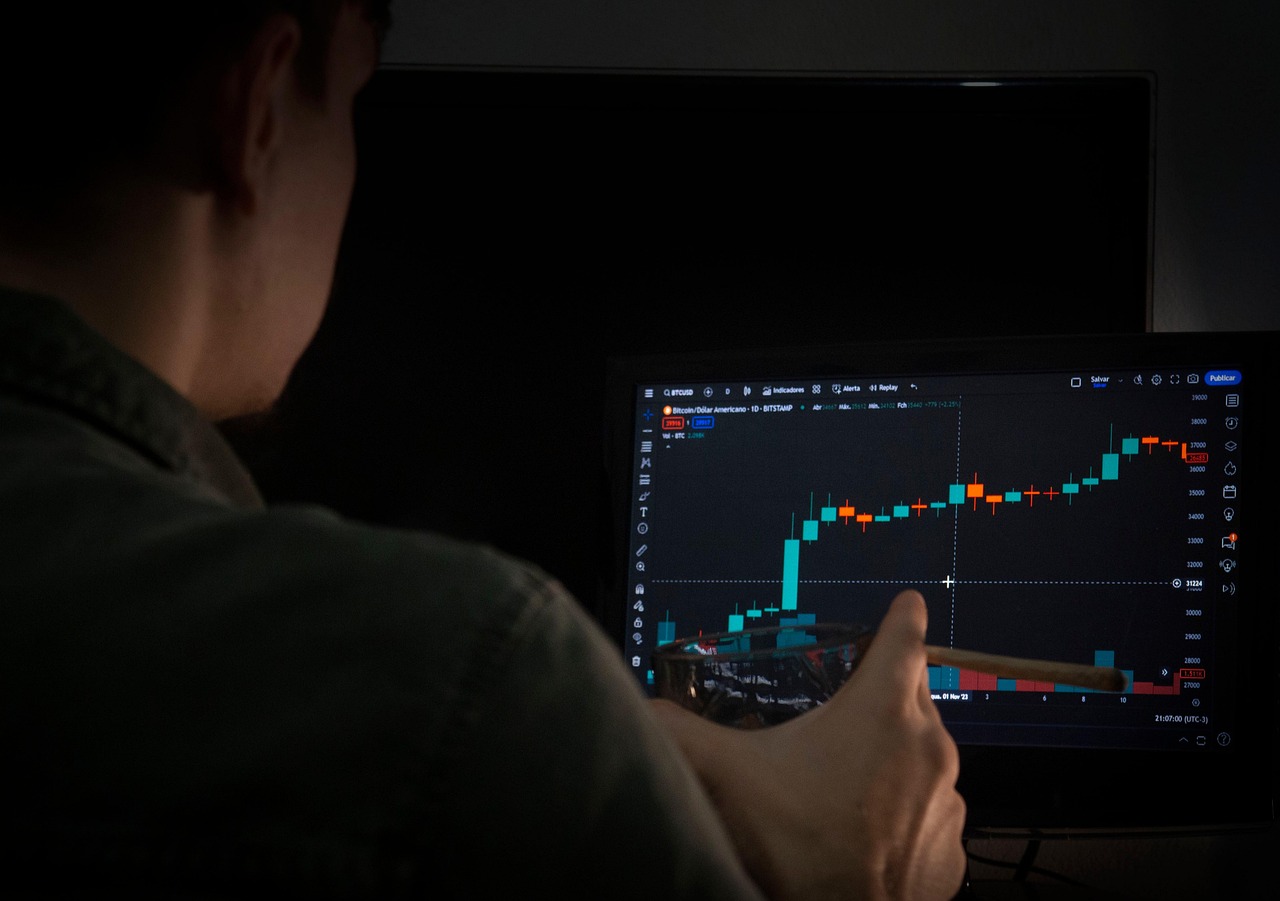
Recent developments in crypto wallet platforms have been assessed, highlighting significant changes and trends in the industry as of January 9, 2026.
Crypto wallet news refers to developments, updates, and significant information related to cryptocurrency wallets. This encompasses security updates, new features, integration with digital currencies, and changes in regulatory frameworks. Staying informed about these updates is crucial for users seeking to maximize the security and utility of their digital assets.
The crypto wallet landscape is dynamic, with new technologies and threats constantly emerging. Being aware of these trends helps users protect their assets and optimize their wallet usage. As of 2023, over 320 million cryptocurrency users exist worldwide, according to industry reports, underscoring the importance of up-to-date information.
The Importance of Staying Updated with Crypto Wallet News
Staying current with crypto wallet news is vital for various reasons. First, security vulnerabilities can arise with wallet software updates. Prompt awareness allows users to act quickly, safeguarding their assets. Second, features such as multi-signature capabilities or improved user interfaces can substantially enhance the usability and security of a wallet. Finally, regulatory changes can significantly impact how cryptocurrencies can be stored or transferred, necessitating changes in user behavior.
Having timely access to this information enables users to make informed decisions about their wallet choices. This is especially important in an industry where operational transparency and user trust are critical for long-term adoption. Keeping abreast will not only help mitigate risks but also enhance the overall crypto experience.
Major Types of Crypto Wallets
Crypto wallets fall into several categories, each serving different purposes. Software wallets are applications installed on devices, offering ease of use and immediate access. Hardware wallets are physical devices, providing enhanced security offline, often recommended for storing significant amounts of cryptocurrencies. Finally, paper wallets allow users to print their keys on paper, which is an ultra-secure but less convenient storage method. Related context on Crypto Wallet News

Understanding the specific features and situations each type of wallet is best suited for can significantly impact asset management. Users should evaluate their individual needs against the benefits offered by each wallet type.
Crypto wallets are not the ideal solution for all situations. For example, if users require immediate access to their funds for daily transactions, using a hardware wallet may prove cumbersome due to its physical nature and need for secure handling. Additionally, for individuals engaged in high-frequency trading, the added steps of security associated with hardware wallets can hinder performance. Furthermore, some wallets may not offer compatibility with an extensive range of cryptocurrencies, potentially locking users into specific ecosystems.
Key Considerations for Choosing a Crypto Wallet
When selecting a crypto wallet, factors such as security features, compatibility with different cryptocurrencies, and user experience should be evaluated meticulously.
1. Security Features: Storing private keys securely is essential. Users should prioritize wallets that offer encryption, two-factor authentication, and backup options.
2. User Experience: Intuitive design enhances the ease of use. Investigating user feedback and potential learning curves can significantly impact daily operations with the wallet.
3. Compatibility: Ensuring the wallet can handle the specific cryptocurrencies you own is crucial, particularly if you are invested in lesser-known altcoins. Additional insights on Crypto Wallet News

Conducting thorough research on available options is necessary. A comprehensive assessment of these aspects significantly influences long-term usability and security.
Process for Setting Up a Crypto Wallet
Setting up a crypto wallet involves several systematic steps to ensure security and effective usage. Follow this process to establish your wallet properly:
1. Choose a wallet type.
2. Download or purchase the wallet.
3. Follow the specific setup procedures.
4. Secure the wallet with a strong password and backup options.
5. Fund the wallet with cryptocurrency from exchanges or other wallets.
6. Regularly monitor and update the wallet software.
7. Stay informed about relevant crypto wallet news.
Each step contributes to the overall safety and utility of the wallet, ensuring that users can transact without unnecessary risks.
Preventive Measures for Common Crypto Wallet Risks
Crypto wallets face several risks that can lead to loss of assets. By understanding these risks, users can implement better safeguards. Common risks include: Learn more about Crypto Wallet News

– Phishing Attacks: Users can fall victim to fraudulent sites designed to steal credentials. Always verify website authenticity before entering sensitive information.
– Malware: Harmful software can compromise wallet security. Keeping antivirus software updated minimizes the risk of infection.
– Human Error: Mistakes made by users when managing private keys can lead to loss. Proper educational resources should be utilized to avoid issues surrounding key management.
A proactive approach allows users to navigate the cryptocurrency landscape with greater confidence and security. Being aware of these risks facilitates better prevention strategies.
Relevant Statistics in the Crypto Wallet Landscape
1. The global cryptocurrency wallet market size was valued at approximately $5 billion in 2023 and is projected to expand at a CAGR of 23% by 2030, according to market research firms.
2. Reports indicate that 66% of cryptocurrency transactions take place within wallets, stressing the importance of understanding their functionalities and security measures.
Conclusion
Staying informed about crypto wallet news is essential for anyone involved in the cryptocurrency space. By carefully considering wallet types, choosing appropriate security measures, and following a structured setup process, users can safeguard their digital assets. Regularly monitoring the evolving landscape ensures readiness for both opportunities and challenges within the cryptocurrency ecosystem.
Understanding the intricacies of crypto wallets empowers users to engage confidently in this rapidly changing environment.
Key Takeaways
- Recent developments in regulatory frameworks for crypto wallets indicate a shift towards more stringent compliance measures, impacting user privacy and operational requirements for wallet providers.
- Emerging innovations in multi-signature wallets and wallet-as-a-service solutions are being adopted to enhance security and ease of access for crypto users and businesses alike.
- Market trends show increasing integration of non-fungible tokens (NFTs) and decentralized finance (DeFi) functionalities within crypto wallets, suggesting a broader utility beyond traditional currency storage.