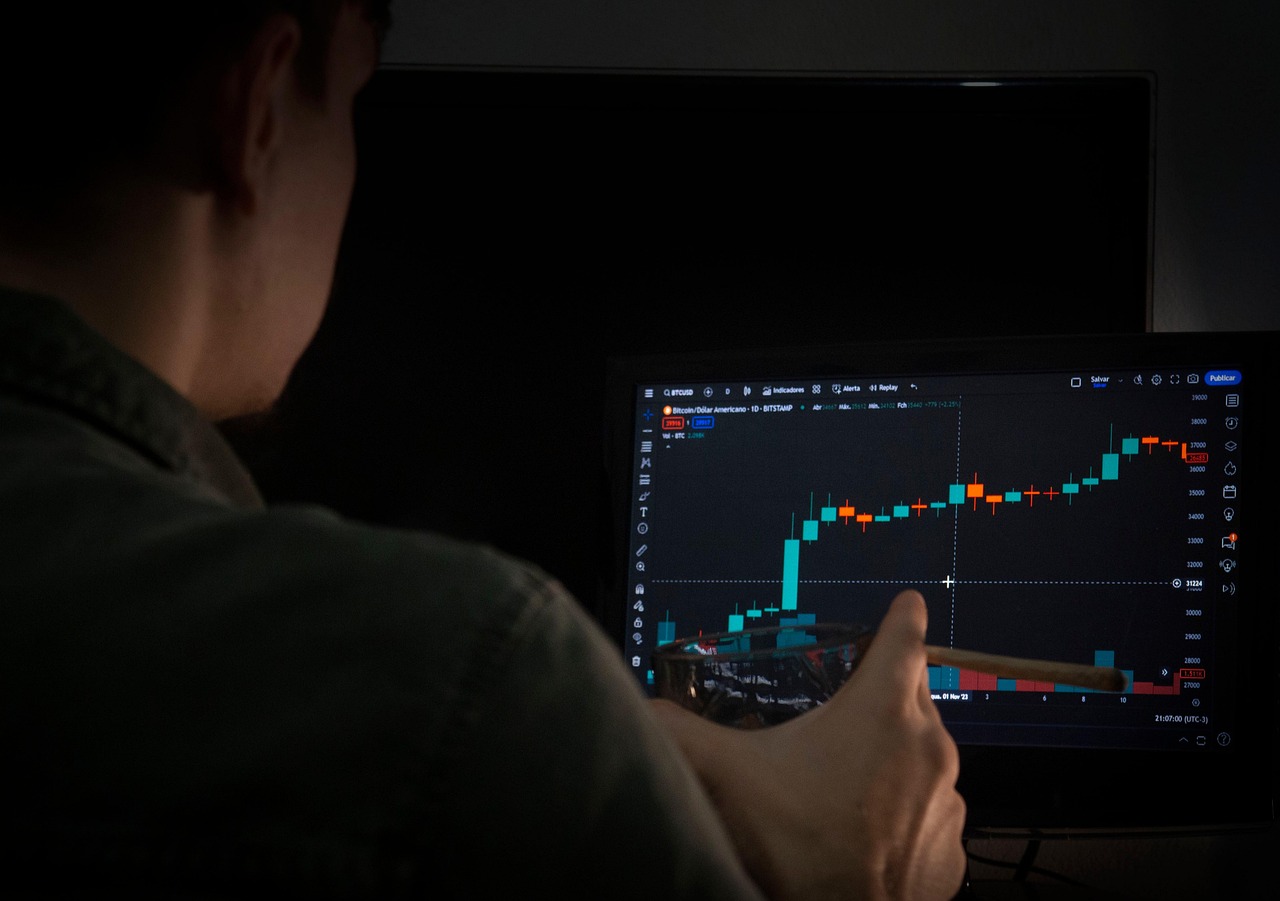
Recent developments in crypto wallet technology have been scrutinized to assess their implications for user security and market trends.
Crypto wallet news refers to the evolving landscape of digital wallets designed for cryptocurrency transactions and storage. These wallets facilitate the secure handling of digital assets such as Bitcoin, Ethereum, and various altcoins. They can take the form of software applications, hardware devices, or even paper wallets, each offering different levels of security, convenience, and usability.
As of 2023, the global adoption of cryptocurrencies continues to surge, with nearly 300 million users globally, reflecting a steady growth in interest and investment in digital currencies. This increase has spurred innovations in crypto wallet technologies, focusing on enhanced security features, user interfaces, and integration with broader financial ecosystems.
Images illustrating various crypto wallet interfaces can enhance understanding of the types and functionalities available in the market today.
The following sections analyze the latest trends, features, and considerations impacting crypto wallets, helping users make informed decisions regarding the management of their digital assets.
The tradeoffs associated with crypto wallets must be understood before adoption. First, crypto wallets are not typically good for users seeking quick conversions to fiat currency; centralized exchanges may offer better liquidity and faster transactions. Secondly, for those who prioritize anonymity and privacy, certain wallets, particularly custodial ones, may not meet expectations as they involve third-party control over private keys. Finally, users wanting extensive integration of fiat operating systems should consider whether their wallet of choice supports such features, as not all crypto wallets do. Related context on Crypto Wallet News

The rapid advancements in technology and changing regulatory landscapes necessitate that users remain informed, particularly with potential vulnerabilities such as phishing attacks, which claim an industry-average of 33% of all data breaches, according to cybersecurity audits.
Current Trends in Crypto Wallets
Crypto wallet developments are increasingly influenced by the demand for user-friendly interfaces and advanced security measures. Multi-signature wallets, which require multiple private keys for authorization, have become more prevalent, providing an additional layer of protection against unauthorized access.
Another trend is the integration of decentralized finance (DeFi) protocols within wallets. Users can directly interact with smart contracts and earn yields without transferring assets to separate platforms. This convenience facilitates increased participation in DeFi markets.
Moreover, biometric security features are being incorporated into wallet applications, utilizing fingerprint scanning or facial recognition to enhance security. According to industry reports, these innovations have led to a significant reduction in user-reported fraud incidents. Additional insights on Crypto Wallet News

Choosing the Right Crypto Wallet
Selecting an appropriate crypto wallet relies on individual needs. For instance, hardware wallets may be suitable for long-term investors seeking maximum security against online threats. In contrast, mobile wallets can serve day-to-day transactions for active traders.
Users should also consider the compatibility of wallets with various cryptocurrencies and their respective transaction methods. This ensures seamless transfers and access to diverse digital asset portfolios.
The following process outlines essential steps to evaluate and prepare for crypto wallet adoption:
1. Define your intended use for the wallet (trading, storing, etc.).
2. Research and compare wallet types (software, hardware, paper).
3. Analyze security features (multi-signature, two-factor authentication).
4. Check cryptocurrency compatibility.
5. Review user feedback and ratings.
6. Consider the ease of use and support.
7. Create a backup plan for wallet recovery. Learn more about Crypto Wallet News

| Wallet Type | Pros | Cons |
|——————|———————————————-|——————————————-|
| Hardware | High security, offline storage | Higher cost, less accessible |
| Software | User-friendly, accessible anywhere | Vulnerable to online threats |
| Paper | Completely offline, cost-effective | Prone to loss or damage |
Crypto wallets require careful consideration of functionality and security to suit different user needs. Keeping updated with crypto wallet news enables users to make choices that align with their investment strategies.
Security Considerations in Crypto Wallets
Security remains a critical aspect of crypto wallet management. Users should always ensure they have taken necessary precautions when storing their private keys. Securely backing up wallet data can prevent total asset loss.
Moreover, it is essential to update wallet software to the latest version, addressing vulnerabilities and enhancing security settings. Multi-factor authentication should be enabled wherever possible to add extra layers of protection.
Ultimately, understanding the nuances of cryptocurrency wallet management can guard against common pitfalls and enhance overall confidence in handling digital assets.
Staying informed through industry audits and reliable crypto wallet news feeds allows users to adapt to evolving threats and best practices in digital asset management. As the landscape develops, continuous learning and preparedness are key to navigating cryptocurrencies effectively.
Key Takeaways
- Recent developments in crypto wallet technology emphasize enhanced security features, including biometric authentication and multi-signature protocols, to mitigate hacking risks.
- The introduction of regulatory frameworks in various countries is influencing the operational compliance requirements for crypto wallets, affecting both users and providers.
- Growing integration of decentralized finance (DeFi) services within crypto wallets is broadening the functionalities available to users, thereby impacting user engagement and asset management strategies.